
Petite Arvine
The emblematic Valais grape variety, on granitic terroir in Fully
A unique granitic terroir
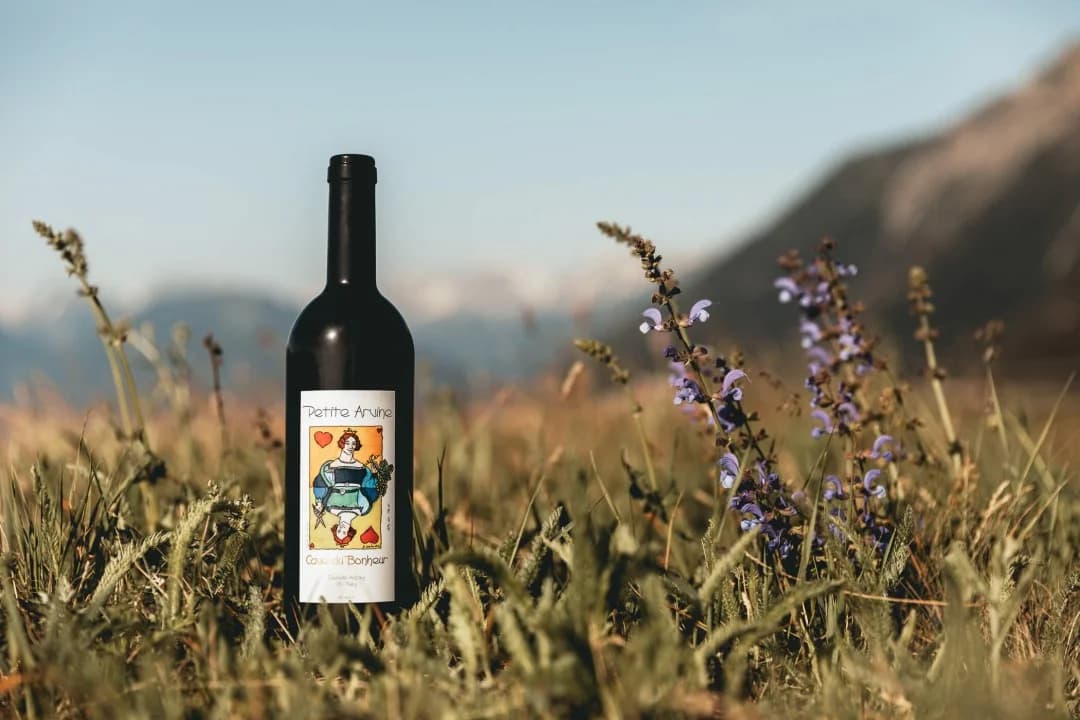
Cave du Bonheur's Petite Arvine grows on the granitic slopes of the Follatères in Fully. This soil, rare in Switzerland, gives the wine a taut minerality and remarkable freshness despite exceptional sunshine. The altitude of 500 to 700 meters and full south-facing exposure create ideal conditions for this emblematic grape variety.
A grape with deep roots
Petite Arvine has been documented in Valais since 1602 — its first written mention appears in a land lease dated 18 April 1602, implicating Adrien de Riedmatten, future Bishop of Sion, for the vineyards of the hamlet of Molignon above Sion. With over four centuries of continuous presence in the region, it is one of the best-documented indigenous Valaisian grape varieties. Genetically, DNA analyses have been unable to confirm any direct kinship with other known varieties: Petite Arvine is an orphan variety, unique in its kind.
The science behind the signature
The notes of grapefruit, rhubarb and pineapple on the nose — followed by passion fruit, kiwi and quince on the palate — are no accident. Studies published in European Food Research and Technology (2005) and the American Journal of Enology and Viticulture attribute this distinctive aromatic profile to the thiol 3-mercaptohexanol (3-MH), found in all Petite Arvine wines analysed at concentrations ranging from 210 to 6,100 ng/L — well above the olfactory detection threshold. It is this same molecule that explains the slightly salty and iodine-like finish, the variety's identity marker.
One grape, many expressions
Petite Arvine is made as a dry, medium-dry or sweet wine — depending on the vintage and the winemaker's vision. The dry version — the most common — reveals aromas of wisteria and grapefruit with a nervous, saline finish. Sweet versions, made from late-harvested or shrivelled grapes, develop a remarkable richness of extract while retaining the grape's natural acidity, ensuring balance and long ageing potential.
Tasting notes
The Petite Arvine from Fully is distinguished by its slightly bitter, saline finish — the signature of the grape on this terroir. On the nose, candied citrus, honey and ginger. On the palate, a lively attack, beautiful acidity balancing the aromatic richness.
Our Petite Arvine
Frequently asked questions
What is Petite Arvine?
Petite Arvine is an indigenous Valaisian white grape variety, emblematic of Swiss Valais. It is recognizable by its slight saline bitterness on the finish. Cave du Bonheur produces it on granitic terroir in Fully, giving a wine of rare minerality and freshness.
Why is Petite Arvine from Fully unique?
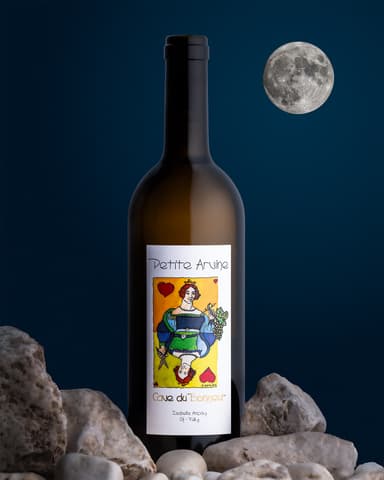
The granitic terroir of the Follatères in Fully is a singularity in Valais. It gives the Petite Arvine a mineral tension and exceptional freshness, different from other Valaisian appellations. Isabelle Ançay's sustainable viticulture guided by the lunar calendar further reinforces this unique character.
What foods pair with Petite Arvine?
Petite Arvine pairs perfectly with asparagus, noble fish (Arctic char, pike-perch), aged cheeses and shellfish. Its slight bitterness and salinity make it an ideal match for dishes with iodine-rich flavors.
How long has Petite Arvine been grown in Valais?
Since at least 1602 — the date of the first written mention, in a land lease involving Adrien de Riedmatten, future Bishop of Sion, for the vineyards of the hamlet of Molignon above Sion. With over four centuries of documented presence, Petite Arvine is one of the most historically attested indigenous Valaisian grape varieties.
What gives Petite Arvine its distinctive salty, iodine-like finish?
Scientific analyses have identified the thiol 3-mercaptohexanol (3-MH) as the primary driver of Petite Arvine's distinctive aromatic profile — grapefruit, rhubarb, pineapple, and that characteristic slightly salty, iodine-like finish. This compound is present in all analysed Petite Arvine wines at concentrations well above the olfactory detection threshold.
Is Petite Arvine available as a sweet wine?
Yes. Petite Arvine is made dry (the most common version), medium-dry and sweet — from late-harvested or shrivelled grapes. Sweet versions develop exceptional richness of extract while retaining the grape's natural acidity, giving them excellent balance and great ageing potential.