
Lunar & Sustainable Viticulture
Sustainable viticulture guided by the lunar calendar, authentic and undogmatic
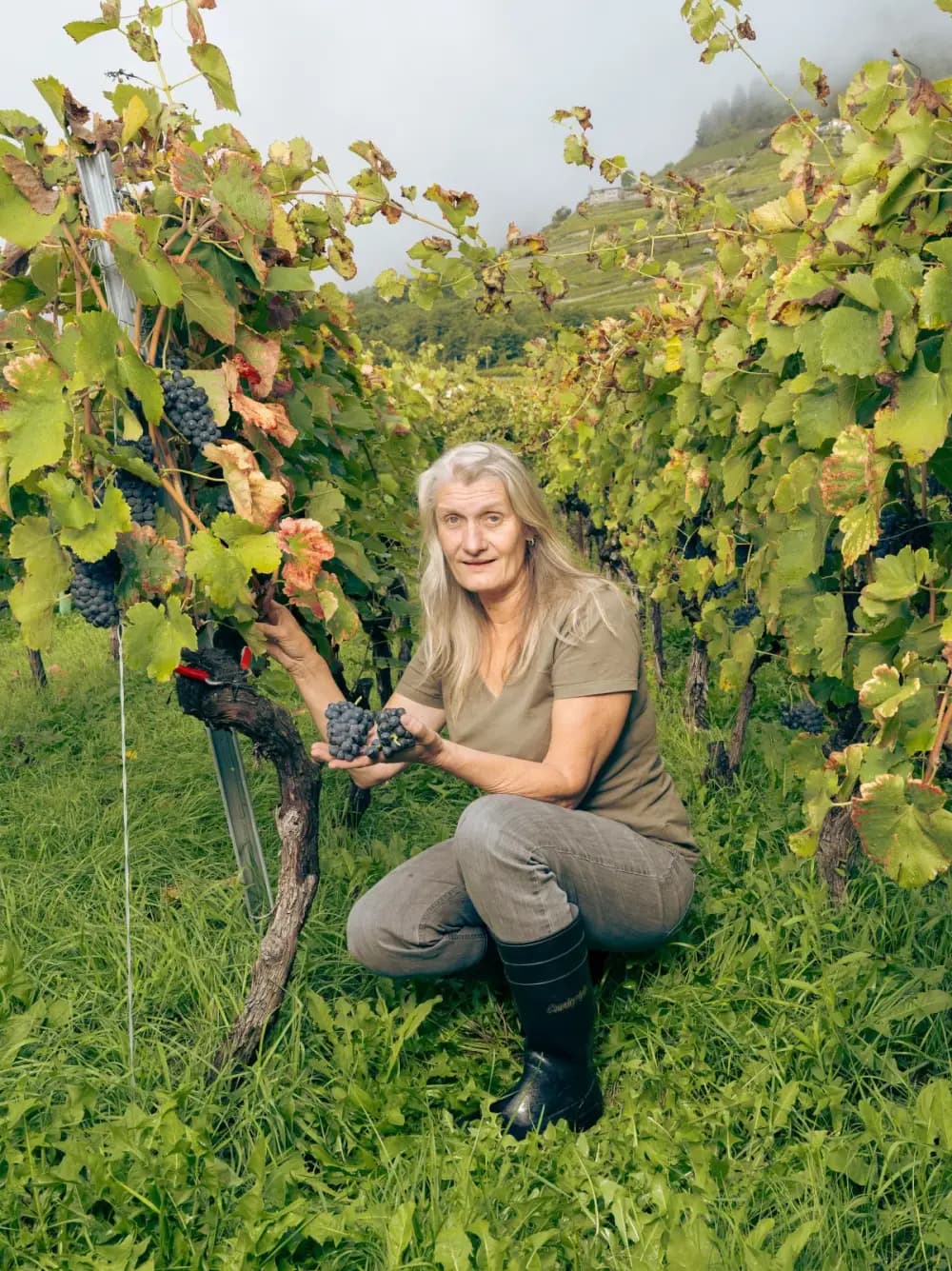
Sustainable viticulture, guided by the moon
Since 2004, I have guided my vineyard work according to lunar cycles. Vine pruning, leaf removal, harvest and bottling — everything is planned around the phases of the moon. A millenary practice that modern viticulture is rediscovering.
This is not a dogmatic certification. I am not Demeter, biodynamic or organic certified. It is an empirical, personal conviction: I observe, I adapt, and I trust my terroir and my vines.
How does it work?
The lunar calendar distinguishes four types of days based on the Moon's position in the zodiac constellations, each associated with one of the four natural elements: Fire, Air, Water or Earth. Each day type guides which tasks to carry out — or avoid — in the vineyard and cellar.
In practice: pruning is scheduled on fruit or flower days to promote healing. Harvest begins on fruit days to maximize aromas at picking. Bottling follows the same logic.
In practice
Fruit days yield more aromatic and more expressive wines.
The 4 types of lunar days
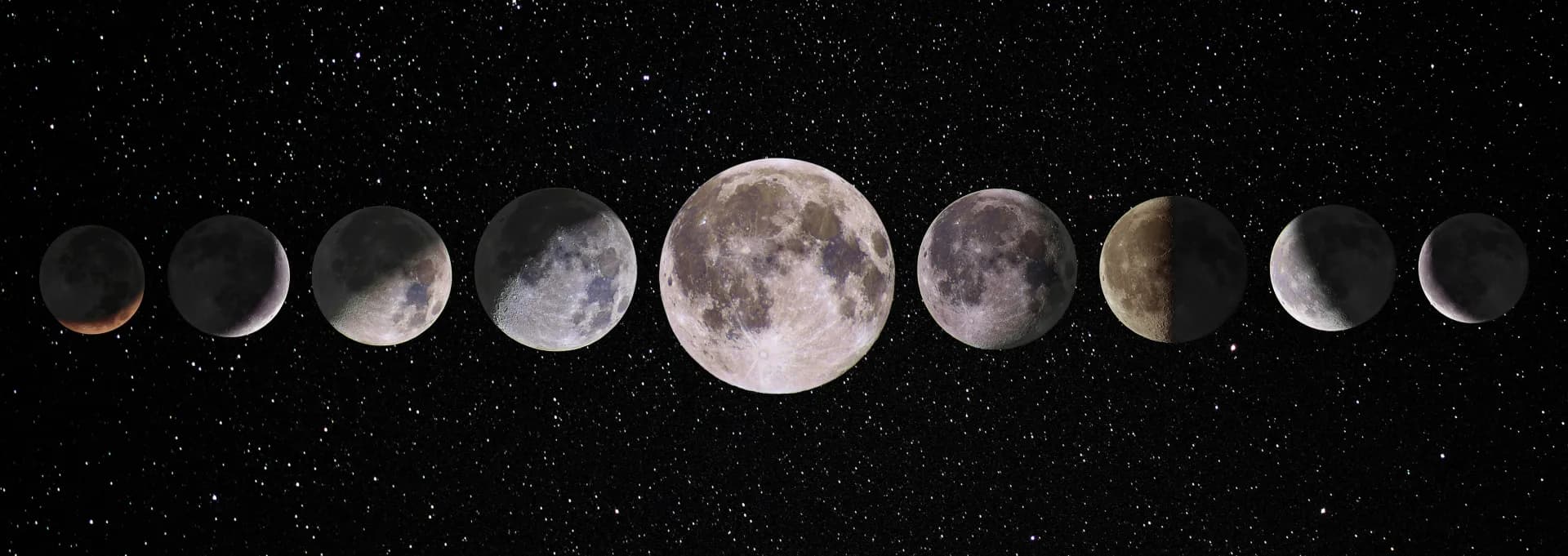
The Moon travels through the twelve zodiac constellations in approximately 28 days. Depending on which constellation it is passing through, winegrowers who follow the lunar calendar plan their work differently — from vine pruning to bottling.
Fire
Fruit days
Aries · Leo · Sagittarius
The best days for harvesting, bottling and tasting. The wine is more open, aromatic and expressive.
Harvest · bottling · tasting
Air
Flower days
Gemini · Libra · Aquarius
Favourable for pruning and vine training. Pruning wounds heal better and are less exposed to disease.
Pruning · trellising · shoot removal
Water
Leaf days
Cancer · Scorpio · Pisces
Moisture and fungal disease risk are higher. These days are generally avoided for sensitive vineyard and cellar work.
Avoid sensitive operations
Earth
Root days
Taurus · Virgo · Capricorn
Favourable for soil work. Avoid for tasting — the wine often seems more closed and less expressive.
Soil work · avoid tasting
Vine braiding
An ancestral technique that replaces the trimmer with a hand gesture.
Where mechanical trimmers cut the tips of shoots, braiding consists of winding them around the training wire — without ever severing the apex. This gesture triggers a deep physiological mechanism: by preserving the shoot tip, the hormonal suppression of lateral buds remains active. The vine naturally stops developing secondary shoots, and the leaf canopy becomes two to three times thinner than with conventional trimming.
Air circulates better along the rows, humidity in the grape zone decreases, and fungal disease pressure drops. Braiding also follows a long-term vine health logic: by avoiding large wounds in old wood, pathogen entry points for trunk diseases — Eutypa, esca — are reduced.
The trade-off is real: braiding is entirely manual and time-consuming. Its benefits vary depending on the grape variety, terroir, and precision of execution — if a single apex falls downward or is cut, the effect is cancelled.
The moment a single apex is cut, all benefits are lost.
2–3×
thinner canopy
2 years
to recalibrate the vine
The granitic terroir of Fully
The granitic terroir of the Follatères is a singularity in Valais. This soil, rare in Switzerland, gives the wines a taut minerality, remarkable freshness and precise aromatic definition — even in warm vintages.
My plots are located between 500 and 700 metres altitude, full south-facing exposure. An exceptional microclimate for demanding grape varieties like Petite Arvine or Sylvaner.
500–700 m
altitude, Follatères
Granit
granitic soil
Fully
Valais, Switzerland
Frequently asked questions
What is the difference between lunar viticulture and biodynamics?
Biodynamics (Demeter) is a certification with codified practices (preparations 500, 501, etc.). My approach is personal and uncertified: I use the lunar calendar to plan my work, without following a dogmatic protocol. It is empirical and pragmatic.
Does the lunar calendar have a proven effect on wine?
Scientific studies are still debated. In practice, many winemakers and sommeliers observe differences depending on lunar days. I trust twenty years of experience on this specific terroir, these vines, this soil.
Are Cave du Bonheur wines organically certified?
No. I am not organic, biodynamic or Demeter certified. I practise sustainable viticulture: minimising inputs, respecting the soil, working by hand, guided by lunar cycles. A personal and pragmatic approach.
What is a Fruit day and why does it matter for tasting?
In the lunar calendar, Fruit days correspond to periods when the Moon passes through Fire constellations (Aries, Leo, Sagittarius). The wine is generally more open, aromatic and expressive. On Root days (Earth constellations: Taurus, Virgo, Capricorn), wine is said to be more closed. Many winemakers and sommeliers deliberately plan important tastings on Fruit days.